







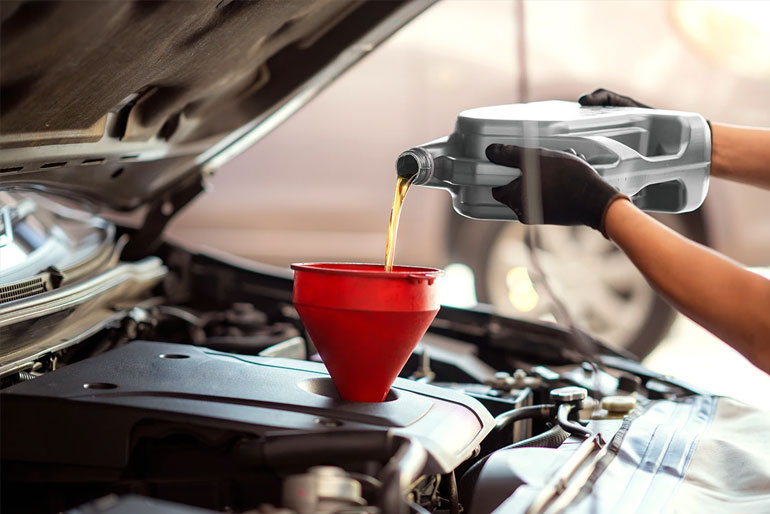
A car can run well for years, but only if the basic care stays on track. One of the simplest parts of that care is fresh oil. It helps the engine stay cool, cuts wear, and keeps moving parts from grinding too hard.
Many drivers wait until a warning light comes on. Others go by memory and guesswork. A better plan is to know what oil does, how often it needs attention, and what signs tell you it is time. That simple habit can help protect an engine and save money over time.
Why engine oil matters
Engine oil moves through a hot engine and coats the parts that rub together. It cuts friction, carries away heat, and helps trap dirt and tiny metal bits. Without it, parts wear fast.
The U.S. Department of Energy says regular maintenance can help a vehicle run better and last longer. Oil care sits near the top of that list. Fresh oil also helps the engine start easier and run smoother in cold weather.
Old oil breaks down. Heat, dirt, and time change its texture and make it less able to protect the engine. That is why a service schedule matters more than guesswork.
What oil actually does
Oil does more than “lubricate,” a word that means it helps parts move with less friction. It also helps seal gaps between parts, which can support better engine pressure. In some engines, it carries heat away from areas that get very hot.
Here is a simple way to think about it:
| Job of engine oil | What it means for the driver |
|---|---|
| Lubrication | Less rubbing and wear |
| Cooling | Lower heat inside the engine |
| Cleaning | Dirt and particles stay suspended |
| Sealing | Better pressure in the engine |
When oil gets old, each of those jobs gets weaker.
Signs the car may need service
A vehicle can give small hints before a bigger problem starts. Some are easy to spot. Others show up in how the car feels on the road.
Watch for these signs:
- Dark, dirty oil on the dipstick
- A louder engine than usual
- A burning smell after driving
- The oil warning light on the dash
- Rough idle or sluggish response
- Oil spots under the car
A mechanic quoted by AAA once put it simply: “Oil is cheap. Engine damage is not.” That message fits most drivers well. Small care now can help avoid large repair bills later.
How often oil should be changed
There was a time when many cars needed service every 3,000 miles. That was common with older engines and older oil types. Newer engines and synthetic oils often last longer.
Still, mileage is only part of the picture. Short trips, stop-and-go traffic, heavy towing, and hot weather can shorten oil life. A car that sits for long periods can also need attention by time, not just miles.
A simple guide
| Driving pattern | General service range |
|---|---|
| Mostly highway driving | Often longer between services |
| Daily city driving | Oil may wear faster |
| Short trips under 10 miles | More frequent care helps |
| Towing or heavy loads | Shorter intervals are wise |
| Long periods parked | Time-based checks matter |
Always match the oil type and service interval to the owner’s manual. That guide was written for the vehicle’s engine, not a guess.
Conventional oil vs. synthetic oil
Many drivers hear these terms and are not sure what they mean. Conventional oil comes from refined crude oil. Synthetic oil is made with more controlled processing and a more even mix of molecules, which are the tiny building blocks of matter.
Synthetic oil often holds up better under heat and cold. It can also resist breaking down for a longer time. Conventional oil can still work well in many engines, especially in older vehicles or basic driving patterns.
Here is a plain comparison:
| Type | Main trait | Common use |
|---|---|---|
| Conventional | Lower cost, standard protection | Older cars, light driving |
| Synthetic blend | Mix of both types | Balanced protection and cost |
| Full synthetic | Better heat and wear resistance | Newer engines, harsh driving |
The best choice depends on the engine, the climate, and the driving routine.
A closer look at the St. George driving setting
Heat has a real effect on oil. High temperatures can thin oil faster and put more stress on engine parts. In a warm desert setting, that can matter even more.
Short city trips add another layer. If a driver starts the car, runs a few errands, and shuts it off, the engine may not reach a full operating range. Moisture and fuel residue can stay in the oil longer. That means more wear over time.
A local driver might think a service interval from a milder climate applies everywhere. It does not always work that way. Heat, dust, and stop-and-go driving can all push oil harder.
What a good service visit should include
An oil service should be more than a quick drain and refill. A careful check helps spot other issues early.
A solid visit often includes:
- Draining old oil
- Replacing the oil filter
- Filling with the correct oil grade
- Checking fluid levels
- Looking for leaks under the vehicle
- Resetting the maintenance light if needed
The oil filter matters too. It catches dirt and metal bits so they do not keep circulating. A fresh filter works best with fresh oil.
A practical case from daily driving
Think about a parent who drives across town for school drop-off, work, and errands. The trips are short. The car idles at lights and in parking lots. The engine sees heat, stop-and-go traffic, and frequent restarts.
That car may need care sooner than a highway commuter’s vehicle. Even if the mileage is low, the oil can still age from heat and short-trip use. This is a good example of why time matters along with miles.
Now compare that with a sales rep who drives 60 miles a day on open roads. The engine may run at a steady temperature, which can be easier on oil. That driver might still need regular service, but the pattern is different.
What owners should check between services
Drivers do not need to be mechanics to stay informed. A few quick checks can help.
- Look at the oil level on the dipstick if the car has one
- Check the color and thickness
- Watch for new leaks in the driveway
- Pay attention to engine noise
- Keep a note of mileage and date at each service
These small habits create a clear record. That record helps a driver spot changes before they turn into trouble.
What the data says about maintenance
AAA and other auto groups have long reported that skipped maintenance can lead to higher repair costs. Engines are built with tight tolerances, which means the parts fit with very small gaps. Clean oil helps those parts work with less wear.
The Car Care Council also notes that many car problems can be found early through basic checks. Oil service gives the tech a chance to look at belts, hoses, fluids, and leaks too. That makes it more than a single task.
How to build a simple oil care routine
A good routine does not need to be fancy. It only needs to be consistent.
- Keep the owner’s manual in the glove box or phone
- Mark the service date and mileage
- Check oil between visits, not only when a warning light appears
- Use the correct oil grade
- Replace the filter at the same time
If a driver wants a simple place to start, the phrase oil change St George Utah can be a useful search step when looking for local service details.
Conclusion
Oil care is one of the easiest ways to protect a car engine. It helps with cooling, cleaning, sealing, and wear control. That matters even more in hot weather, short-trip driving, and stop-and-go traffic.
The best next step is simple: check the owner’s manual, track service dates, and look for signs that oil is aging. A small amount of attention now can support smoother driving and fewer repair surprises later.