







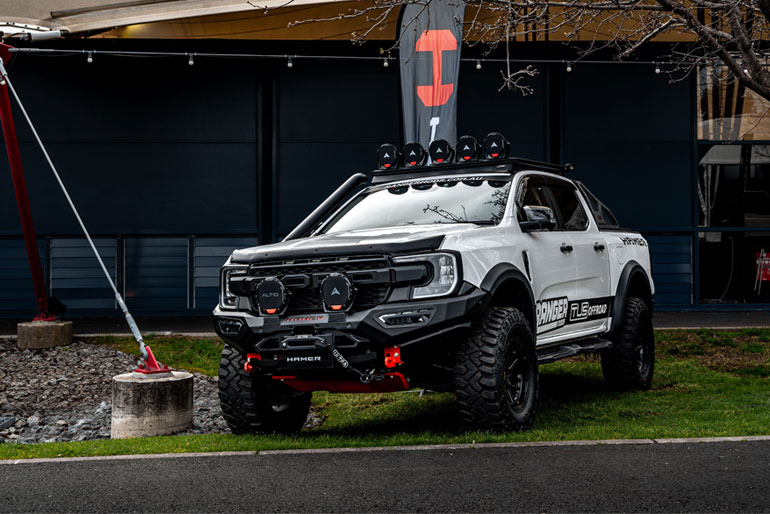
Factory bumpers exist mainly to lower total vehicle weight, enhance aerodynamic flow, and conform to city safety standards. Built from light stamped sheet metal and plastic, these original bumpers give minimal protection against trail hazards, hitting animals on country roads, or work site impact risks. Replacing factory units with heavy-duty replacement bumpers made of thick steel plate provides real front-end defense, protects sensitive cooling components, and offers solid mounting places for winches and extra lights.
When you compare heavy-duty replacement bumpers, you must inspect steel thickness, frame mounting brackets, and winch mounting setups. Checking technical documents from armor builders like Iron Ox Products shows how heavy steel pipes, laser-cut steel plates, and strong frame brackets join together to shift impact energy and prevent bending the truck’s frame rails. Understanding the structural design of these steel bumpers helps truck users choose the right bumper system for their specific driving needs.
1. Advantage of Heavy-Duty Truck Armor
Replacement bumpers made with thick steel plating offer protection for front valances and vital engine components sitting behind the front grille.
Protective Capabilities Offered
- Radiator and Engine Protection: Bumper-mounted armored steel plates stop tree branches, trail debris, and road rubbish from puncturing radiators, intercoolers, and air conditioning condensers.
- Absorption of Impact Loads: Heavy steel plate bumper structures spread slow obstacle impact force away from the chassis to keep the truck driveable after a collision.
- Improved Approach Angles: Full-length steel bumpers with high-clearance vertical shapes use upward angles to clear trail obstacles by giving tires more approach space.
2. Integrated Utility Accessories on Full-Option Heavy Replacement Bumpers
Full-option heavy replacement bumpers include several built-in accessories that increase vehicle usefulness at work sites or during off-road travel.
Heavy-Duty Winch Plate Mounting Points
Using thick steel as the bumper shell material creates a reinforced base for installing high-performance recovery winches rated up to 16,500 pounds. The thick steel winch plate attaches straight to the frame rails, distributing heavy pulling stress over a wider area of the chassis.
Heavy Steel Full-Length Grille Guard
Full-size heavy replacement bumpers use boxed steel frames and cross-channel supports to protect vehicle radiators and headlights from flying debris while keeping open space for full engine cooling flow.
D-Ring Tow Shackle Tabs
Heavy steel tow shackle tabs are made from thick steel plate, passing through the front bumper shell and welding directly into frame brackets to create a strong attachment point for recovery tow cables during off-road pulls.
3. Heavy-Duty Rear Bumper Reinforcements Offer Protection and Step-Up Utility
While front replacements get most of the attention in the bumper industry, rear-mounted systems supply better protection against reverse collisions and improve tailgate access at job sites or during overland trips.
Overview of Heavy-Duty Rear Bumper Features
- Integrated Step-Up Utility: Deep rectangular cutouts made in the lower corners of the rear bumper shell give easier entry and exit to the truck bed. Non-skid step pockets built into each side allow you to reach into the bed even when the tailgate is open.
- High-Max Class IV/V Receiver Hitches: Built-in receiver hitches are made by welding steel tubing directly into the rear bumper structure, creating a strong attachment point for towing heavy trailers.
- Backup Sensor Compatibility: Precisely sized holes made in the rear bumper shell allow factory rear vision sensors and cameras to function properly through the steel face.
4. Proper Bumper Installation Preserves Dynamic Pulling and Recovery Performance
Heavy-duty bumpers depend entirely on their connection to the frame rails to manage severe forces during heavy winch recovery and off-road driving.
Critical Installation Considerations
- Removal of OEM Stamped Brackets: All weak stamped factory brackets must be removed completely. Unbolt all fasteners and strip away mounting brackets until bare frame rails are exposed.
- Mounting Frame Stiffeners: Extra-thick steel plate brackets are attached directly to the sides and front of frame rails using strong Grade 8 hardware.
- Sensor and Camera Clearance Checks: Front radar sensors and camera lenses must keep a clear, unobstructed view in front of the vehicle.
5. Complete Comparison Chart of Front-End Bumper Options
| Bumper Configuration | Protection Level | High Winch Pulling Potential | Weight Additions | Suggested Usage Location |
| Base Base-Plate Bumper | Moderate | Optional | Medium Vehicle Weight Gain | Primary Highway Driving, Light Industrial Jobsite Usage |
| Bumper Mounted with Bull Bar | Heavy (Central Protection) | Standard Recovery Winch Mounting | Medium-Heavy Vehicle Weight Gain | Rural Road and Trail Obstacle Course Hazards |
| Bumper with Full Grille Guard Mounted | Maximum Protection (Entire Front Wraparound) | Standard Winch Mounting | Heavy Vehicle Weight Gain | Commercial Jobsite Hazards & Rural Wildlife Collisions |
Adding heavy-duty steel reinforcements on both front and rear bumpers of a commercial vehicle increases protection for the cooling system against impact damage and offers much higher utility during recovery operations.