





Texas keeps growing, and nowhere shows it more than the suburbs west of Fort Worth. New neighborhoods, new schools, and new shopping plazas seem to pop up every few months. But there is a side effect nobody talks about enough. More cars are hitting roads that were never built for this much traffic. If you drive through Parker County or any of the booming towns near Fort Worth, you have probably noticed the shift yourself. Longer waits at intersections. More fender benders near new subdivisions. Let’s look at why this growth is quietly changing accident risk, and what you can actually do about it.
When Small Towns Grow Faster Than Their Roads
Weatherford used to be a quiet stop on the way into Fort Worth. Now it is one of the fastest-growing counties in Texas. New subdivisions bring in new drivers every month, but the roads connecting them often stay the same. Two-lane farm roads that once saw light traffic now carry commuters, school buses, and delivery trucks all at once. This mismatch creates real risk. A driver unfamiliar with a brand new intersection might misjudge a turn. A road designed for a few hundred cars a day may now handle five times that number. If you ever end up in a crash out here, it helps to know your options ahead of time. Local firms like Bailey and Galyen Fort Worth handle these kinds of cases regularly, and simply knowing a resource like this exists nearby can ease some of the stress on an already hard day.
Growth also brings something else drivers underestimate: construction. Every new development means more work trucks, lane closures, and temporary detours. These zones confuse even experienced drivers, especially at night or during rush hour. Slowing down through a construction zone is not just a suggestion. It is often the only thing standing between a normal commute and a serious wreck.
Spotting the Patterns Before They Become a Problem
Most people assume car accidents happen because of bad luck. In reality, they usually follow patterns. Distracted driving, sudden braking, and poor visibility show up again and again in crash reports, no matter where you live. Understanding the common causes of car accidents can help you avoid becoming part of the statistic. For a deeper breakdown of these everyday risk factors, it is worth reading through a solid explainer on the topic before your next long drive.
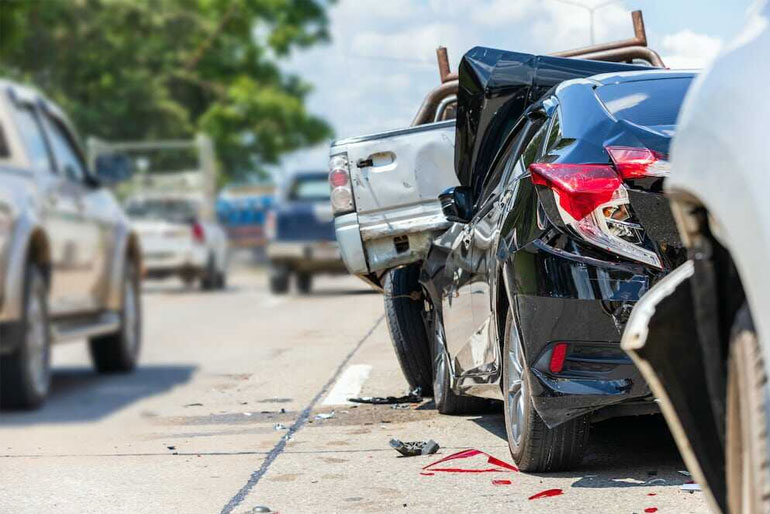
In growing suburbs, one pattern stands out more than others. New drivers on new roads tend to hesitate at unfamiliar intersections. That hesitation causes rear-end collisions, since the driver behind does not expect a sudden stop. If you commute through an area with lots of new construction, give yourself extra following distance. It sounds simple, but it prevents a huge number of these low-speed crashes.
Weather adds another layer. North Texas swings between dry heat and sudden storms. Roads that handle traffic fine on a clear day can turn slick within minutes. Combine that with unfamiliar layouts, and you get a recipe for trouble. Staying alert during weather changes matters just as much as watching your speed.
What the Data Says About Growing Traffic Risk
It is not just anecdotal either. Safety researchers have been tracking how population growth and infrastructure changes affect crash rates across the country. Recent crash trend research from groups studying road safety shows that areas with rapid development often see short-term spikes in accidents until infrastructure catches up. This matches what many Parker County residents have noticed firsthand.
The good news is that awareness helps. Knowing that your area is in a transition period changes how you drive. You start expecting the unexpected. You leave a few minutes earlier so you are not rushing through a confusing new interchange. You keep your eyes open near school zones that did not exist last year.
You also give unfamiliar intersections and construction areas extra space and attention. Small adjustments like slowing down and anticipating sudden changes can reduce unnecessary risks during periods of rapid growth.
Simple Steps That Actually Help
You cannot control how fast your town grows, but you can control how you respond to it. Slow down in unfamiliar areas, even ones you think you know well. Keep extra space between you and the car ahead, especially near new construction. Report confusing intersections to your local traffic department, since enough complaints often lead to better signage or signals.
And if a crash does happen, do not just handle it alone. Document everything, talk to witnesses, and reach out to someone who understands how local roads and local courts work. Growth brings opportunity to a community, but it also brings growing pains. Staying alert, patient, and informed is the best way to make sure you are not part of those growing pains yourself.