



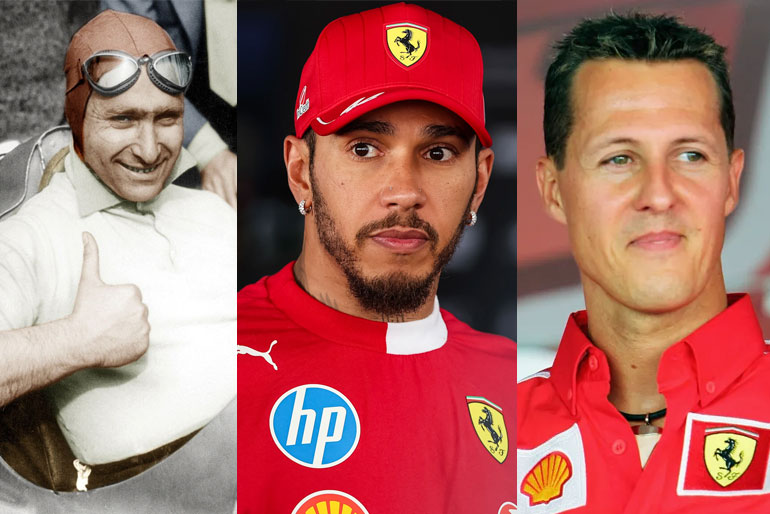
Formula 1 is a sport that has seen extraordinary talent across its 75-year history. From the dusty circuits of the 1950s to the ultra-modern tracks of today, certain drivers have stood above the rest — not just because of their trophies, but because of the way they made you feel when they drove. Some were precise and calculated. Others were pure fire behind the wheel. All of them changed the sport forever.
Here are the 10 best Formula 1 drivers of all time, and why each one belongs on this list.
1. Juan Manuel Fangio
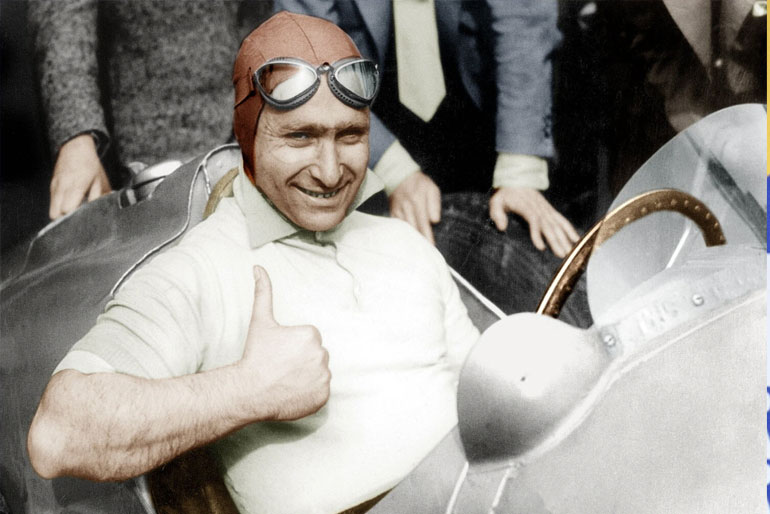
If you want to talk about efficiency in Formula 1, the conversation starts and ends with the Argentine legend. Fangio won five world championships from just 51 race starts — a win rate that no one has come close to matching. What makes his record even more staggering is that he achieved it racing for four different teams: Alfa Romeo, Ferrari, Mercedes, and Maserati. In an era when the cars were genuinely dangerous and the tracks had almost no safety measures, Fangio kept his cool, kept winning, and kept walking away. Even decades after his retirement, the numbers still hold up. He remains the benchmark against which every great driver is measured.
2. Lewis Hamilton
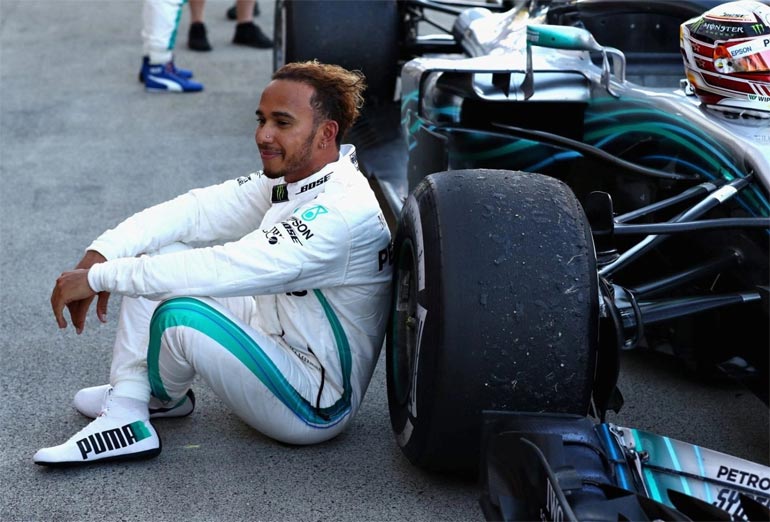
Seven world championships. 103 race wins. More pole positions than anyone who has ever driven in Formula 1. The case for Lewis Hamilton as the greatest of the modern era is almost impossible to argue against. He started his career with McLaren, winning his first title in 2008 in dramatic fashion, and then joined Mercedes in 2013 — a partnership that dominated the sport for nearly a decade. What sets Hamilton apart isn’t just the statistics, though. He won in the rain, he won from the back of the grid, and he raised the bar for what people thought was possible in a Formula 1 car. He also moved to Ferrari for the 2025 season, proving that even at the top, the hunger never goes away.
3. Michael Schumacher
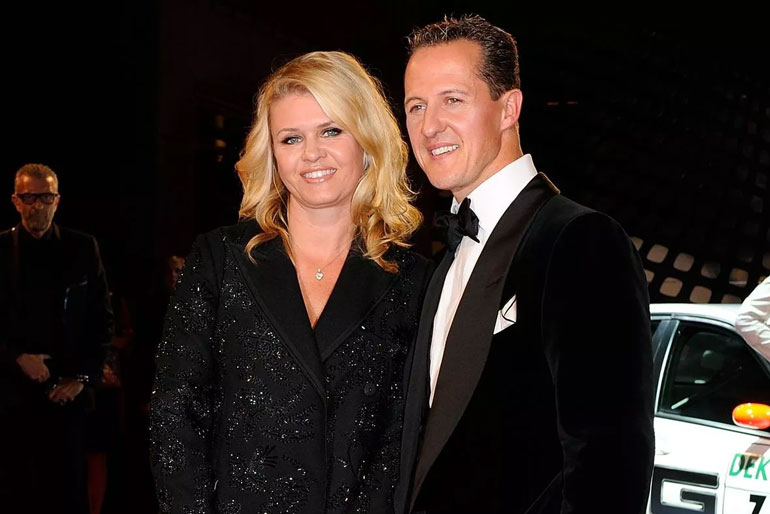
Before Hamilton came along, Schumacher was the name everyone pointed to when the word “greatness” came up. Seven world championships — five of them in a row with Ferrari between 2000 and 2004 — and 91 race wins that stood as the all-time record for years. Schumacher was ferocious in his approach to racing. He was relentless in qualifying, dominant on race day, and obsessive about development work with his engineers. The Ferrari years were something truly special — he turned a team that had gone decades without consistent success into the most dominant force the sport had seen. His career had its controversies, but his talent was never in question.
4. Ayrton Senna
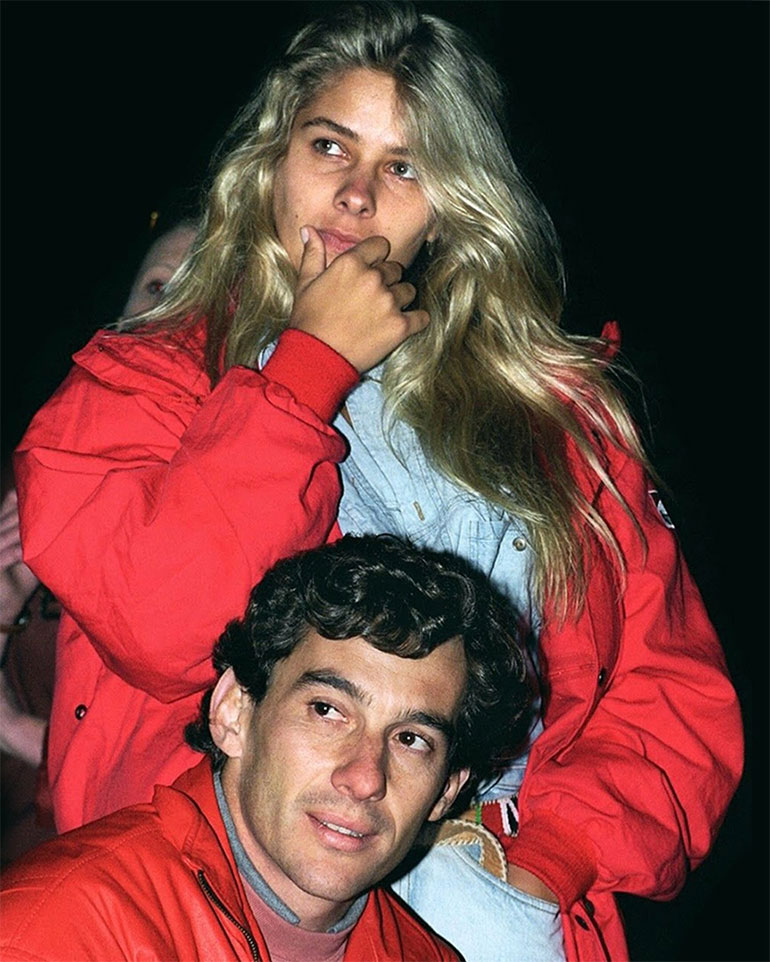
Ask any Formula 1 fan who the most iconic driver of all time is, and a huge number will say Senna without hesitation. The Brazilian took 65 pole positions from 161 starts — a rate that tells you everything about his raw, supernatural speed over a single flying lap. In the wet, he was in a different league entirely. His 1984 Monaco Grand Prix drive in the rain, his 1993 European Grand Prix performance at Donington Park, and countless other moments showed a driver who seemed to operate on a different level from everyone else. He won three world championships with McLaren and had an intense, complicated rivalry with Alain Prost that gave Formula 1 some of its most dramatic moments. His death at the 1994 San Marino Grand Prix was a defining tragedy for the sport, and his legend has only grown in the years since.
5. Alain Prost
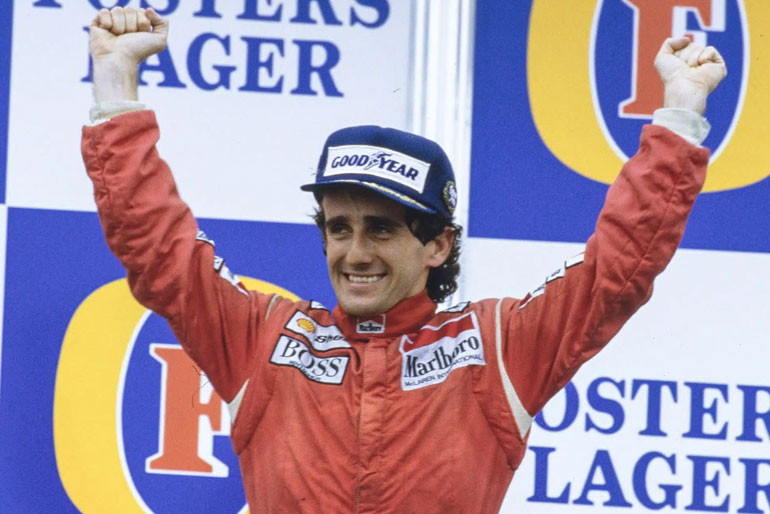
The man they called “The Professor” won four world championships by doing something very few racing drivers are willing to do — thinking before acting. Prost understood that finishing a race was more valuable than leading it, that preserving the car mattered more than using it up in the first stint, and that the championship was decided over an entire season, not a single afternoon. He racked up 51 wins across 13 seasons, and his rivalry with Senna at McLaren is still the most talked-about driver pairing in the sport’s history. Where Senna was emotion and instinct, Prost was calculation and patience. Together, they made each other better — and more dangerous.
6. Max Verstappen
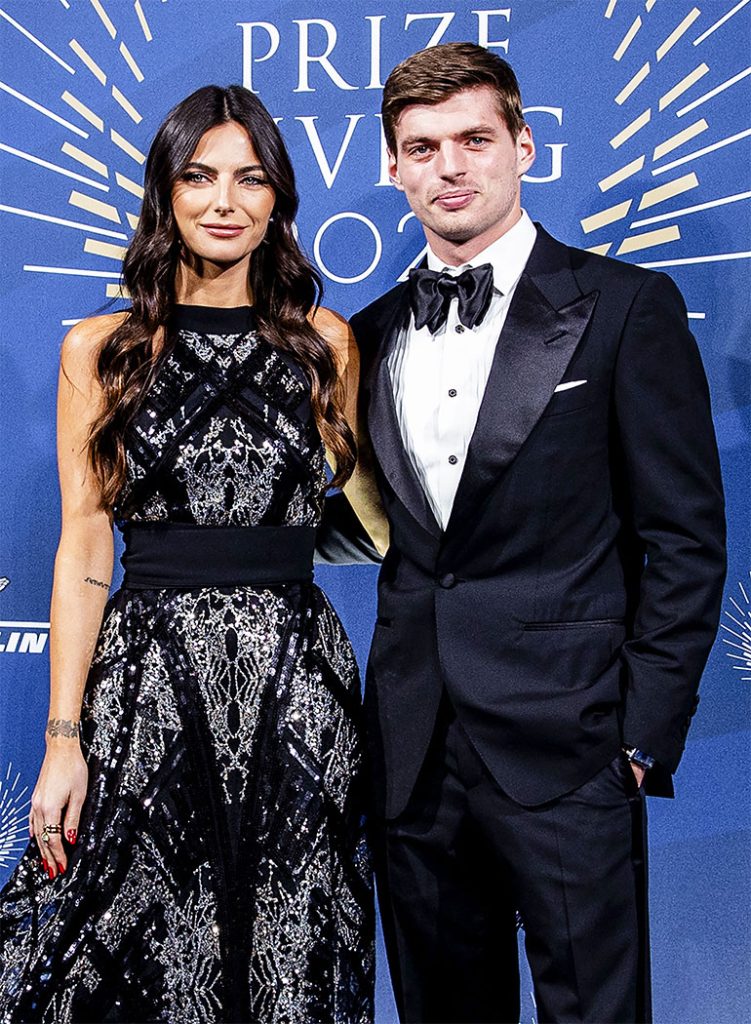
The youngest race winner in Formula 1 history has grown into one of its all-time greats. Verstappen burst onto the scene at Red Bull in 2016 and won his first Grand Prix on his debut for the team. After years of incredible drives in uncompetitive machinery, he got a dominant car in 2022 and made the most of it — winning four consecutive world championships and setting a record of 19 victories in a single season in 2023. His 2025 season showed another side of him: fighting for a fifth consecutive title in a car that was no longer the fastest, pushing Lando Norris all the way to the final race in Abu Dhabi before narrowly missing out. That kind of performance — near-superhuman driving in an average car — is exactly what puts him in any serious all-time conversation.
7. Jim Clark
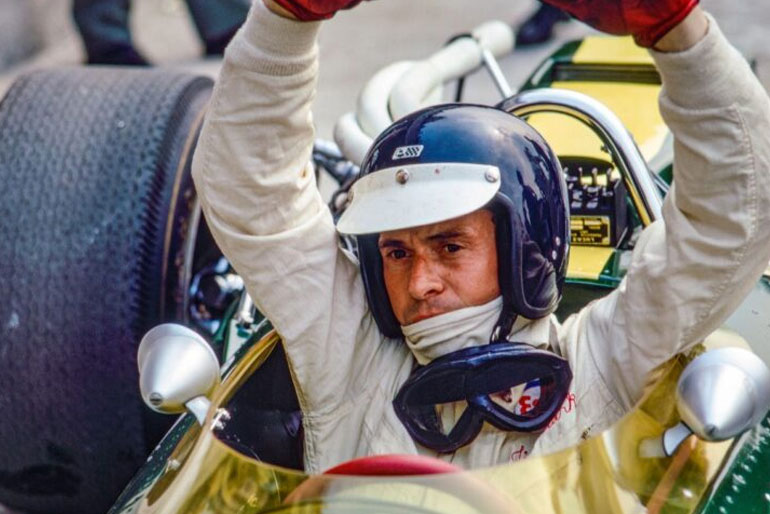
In the early 1960s, Jim Clark from Scotland was simply the most complete driver in the world. Quiet by nature and unassuming off the track, he was absolutely devastating once the visor came down. He won the world championship in 1963 and 1965, and in the latter year he also won the Indianapolis 500 — something almost unheard of for a Formula 1 driver at the time. Clark led more laps and won more races than anyone else in the sport during his era. His death at a Formula 2 race in 1968 shocked the world. Many who watched him — including drivers who competed against him — considered him the most naturally gifted person ever to sit in a racing car.
8. Niki Lauda
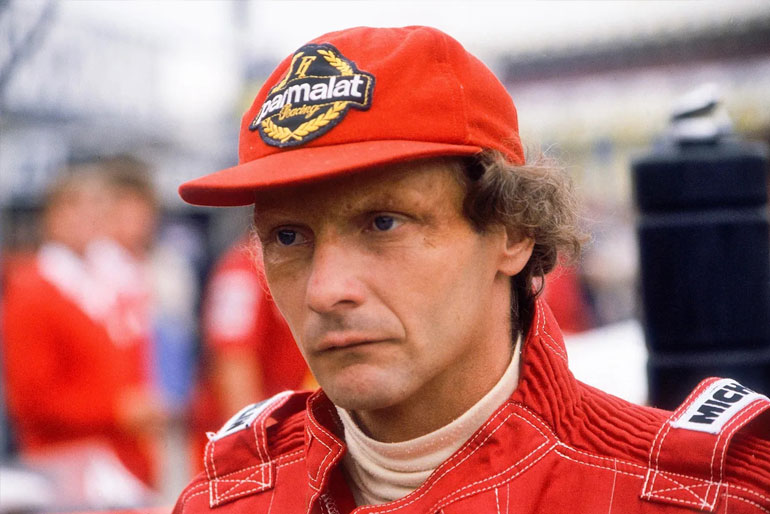
The story of Niki Lauda is one of the most extraordinary in all of sport. He won the 1975 world championship and was well on his way to a second title in 1976 when he suffered a horrific crash at the Nürburgring and was given last rites in hospital. Six weeks later, he was back in the car. He finished that season just one point behind rival James Hunt. He came back to win the championship again in 1977, stepped away, returned again in 1982 with McLaren, and won a third title in 1984. Three world championships across two separate stints in the sport, punctuated by one of the most remarkable recoveries in sporting history. Lauda was analytical, direct, and absolutely clear-eyed about his own driving. He was also human in a way that made the sport feel real.
9. Sebastian Vettel
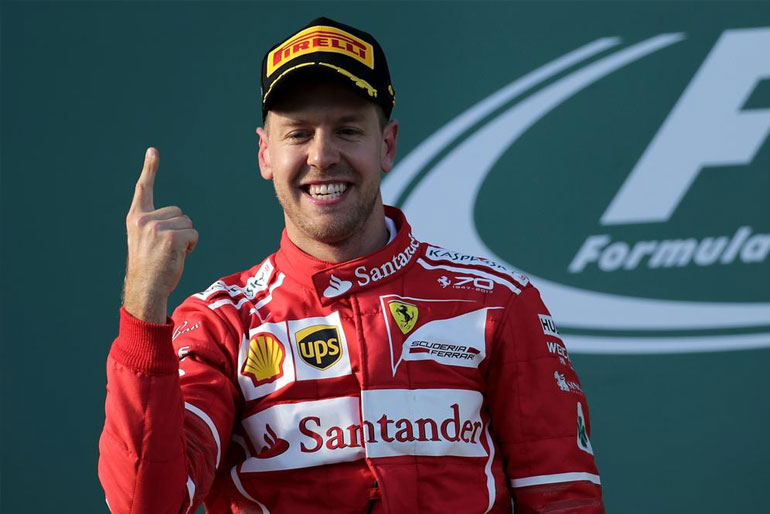
For four consecutive years between 2010 and 2013, Sebastian Vettel was the best driver in the world. The German won his first title in a breathless final-race showdown in Abu Dhabi in 2010 and then became increasingly dominant, capped by a 2013 season in which he won nine consecutive races. Vettel was exceptional in qualifying, extraordinary on race day, and deeply committed to every technical detail of his car. His move to Ferrari after his Red Bull years was less successful, but it showed a driver willing to take on new challenges rather than stay comfortable. He finished his career with 53 wins and four championships — a legacy that stands up to almost any comparison.
10. Lando Norris
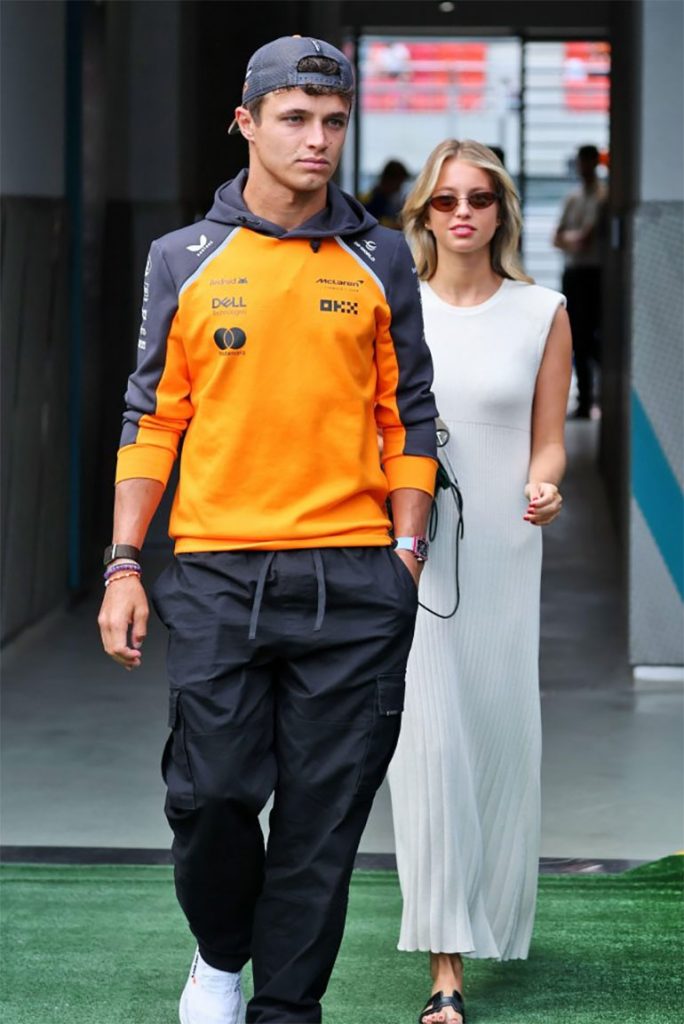
Norris earns his place on this list as the best of his generation right now. The British driver had been dazzling fans for years with brilliant performances in McLarens that were often not quick enough to win, before 2025 finally gave him the car to match his talent. He won seven Grands Prix that season, led the championship for much of the year, and held off both Verstappen and McLaren teammate Oscar Piastri to win his first world championship by just two points in Abu Dhabi. It was one of the tightest, most dramatic title battles in recent memory — and Norris came out on top. Still in his mid-20s, he has the potential to climb even higher on this list over the next decade.
The Debate Never Really Ends
What makes this list endlessly interesting is that there’s no single right answer. Fangio’s efficiency, Hamilton’s longevity, Senna’s genius over a single lap, Schumacher’s dominance — these are different kinds of greatness. Different eras, different cars, different rules. The only thing that connects every name here is that, when it mattered most, they found something extra. That’s what Formula 1 has always been about.
And it’s worth remembering that greatness in this sport pays well, too. If you’re curious how the sport’s biggest names have translated their success into wealth — from sponsorship deals and team salaries to business ventures — racersnetworth is a great place to explore the financial side of Formula 1 legends.